The epic Ramayana has captured the imagination of millions, recounting the legendary tale of Lord Rama's quest to rescue his wife Sita from the clutches of the demon king Ravana. Amidst the story's mystical elements, one intriguing concept stands out: the belief that Ravana's kingdom, Lanka, exists in another dimension. In this article, we delve into the myth surrounding Ravana's Lanka and explore its origins, interpretations, and the reality behind this enchanting notion.
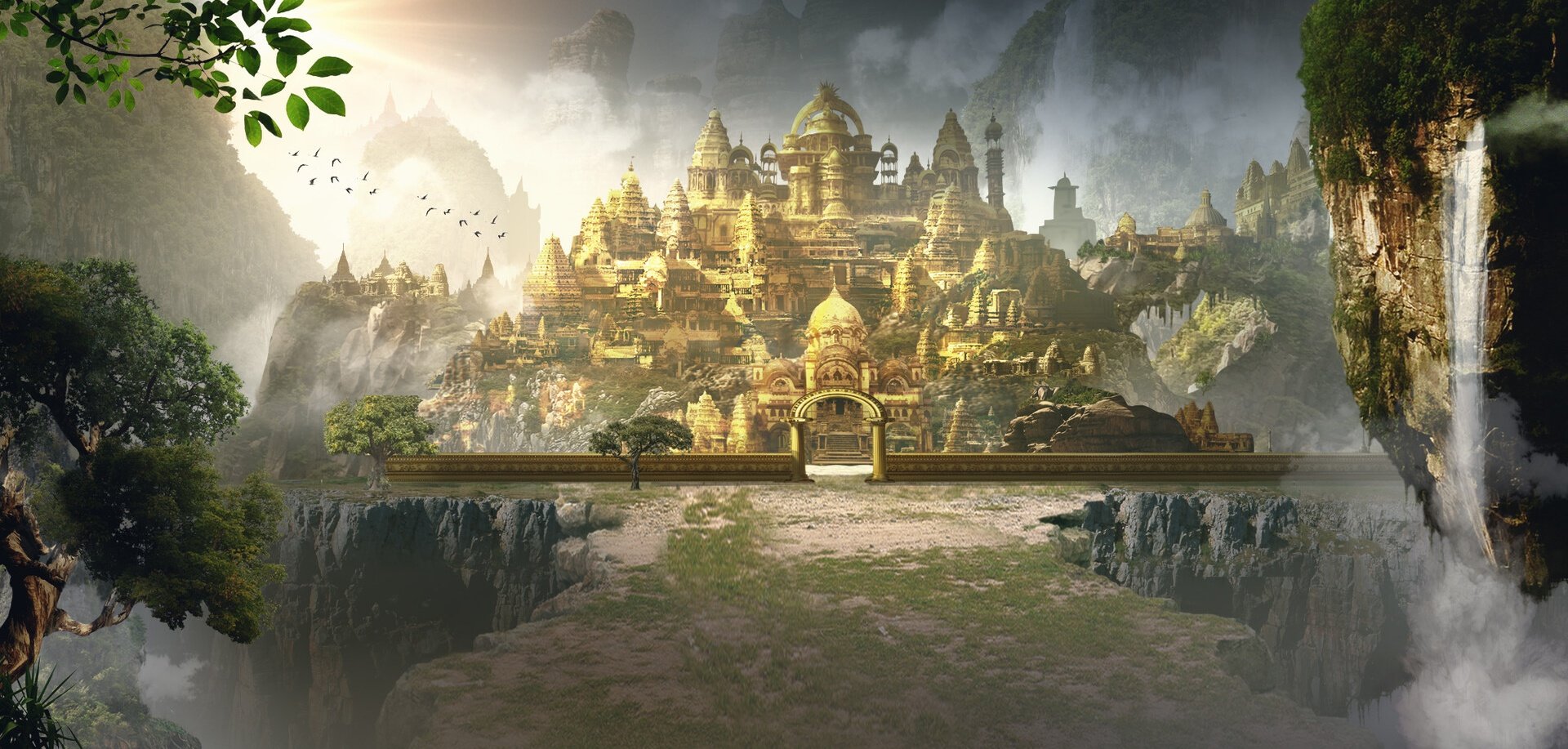
According to certain interpretations, Ravana's Lanka was not merely a physical place but an otherworldly realm, existing in a dimension separate from our own. This concept has captivated the imagination of many, envisioning Lanka as a magical land with extraordinary qualities beyond human comprehension.
One perspective suggests that the idea of Lanka in another dimension serves as a metaphorical representation rather than a literal interpretation. It symbolises the spiritual and psychological battles fought within oneself, with Ravana representing the inner demons or negative aspects that one must conquer to attain spiritual enlightenment.

The concept of Lanka in another dimension holds deep religious and cultural symbolism. It emphasises the eternal struggle between good and evil, the triumph of righteousness over wickedness, and the notion that spiritual realms exist beyond the physical realm.
Different versions and interpretations of the Ramayana exist across various cultures and regions, resulting in diverse perspectives on Lanka's nature. Some adhere to the belief in an actual otherworldly dimension, while others view it as a metaphorical construct or symbolic representation.
It is important to understand the historical and cultural context of the Ramayana. The epic is a revered mythological text, embodying moral and ethical teachings. The concept of Lanka in another dimension may have been introduced to add an element of wonder, mystery, and transcendence to the narrative rather than as a factual representation.
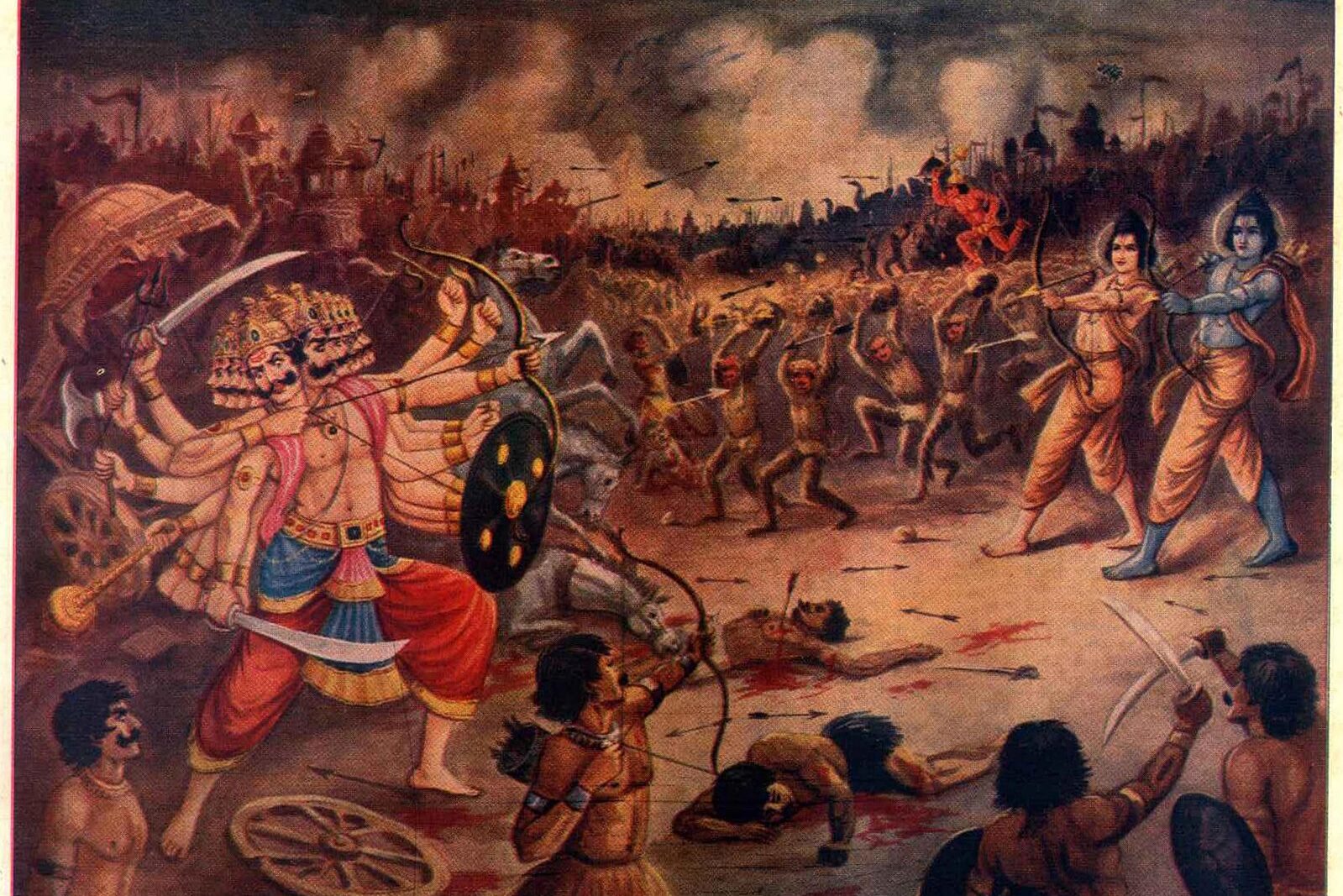
While Lanka's existence in another dimension is an intriguing concept, it is not grounded in verifiable evidence or historical records. The Ramayana is a work of mythology, containing fantastical elements that should be approached with a metaphorical or symbolic understanding.
Regardless of the reality of Ravana's Lanka, the epic Ramayana has left an indelible mark on literature, art, and cultural traditions across generations. Its moral teachings, lessons of righteousness, and the eternal struggle between good and evil continue to inspire and guide individuals worldwide.
The myth surrounding Ravana's Lanka in another dimension adds an enchanting layer to the epic tale of the Ramayana. While it sparks our imagination and prompts contemplation, it should be regarded within the context of mythology and symbolism. Ultimately, the enduring legacy of the Ramayana lies in its timeless teachings and its ability to inspire individuals to embrace goodness and overcome the challenges within themselves.

:max_bytes(150000):strip_icc()/maharshi-Valmiki-56a484175f9b58b7d0d75eb0.jpg)


No comments:
Post a Comment