Showing posts with label Reality. Show all posts

Friday, June 16, 2023

Ravana Series- Exploring the Birthplace of Ravana - Myths, Magic, and Reality

Ravana, the legendary demon king from the epic Ramayana, is known for his power, intellect, and complex character. Among the many fascinating aspects of his story is the enigma surrounding his birthplace. In this blog article, we embark on a journey to uncover the birthplace of Ravana, explore its magical attributes, and unravel the myths and realities that shroud this mystical location.
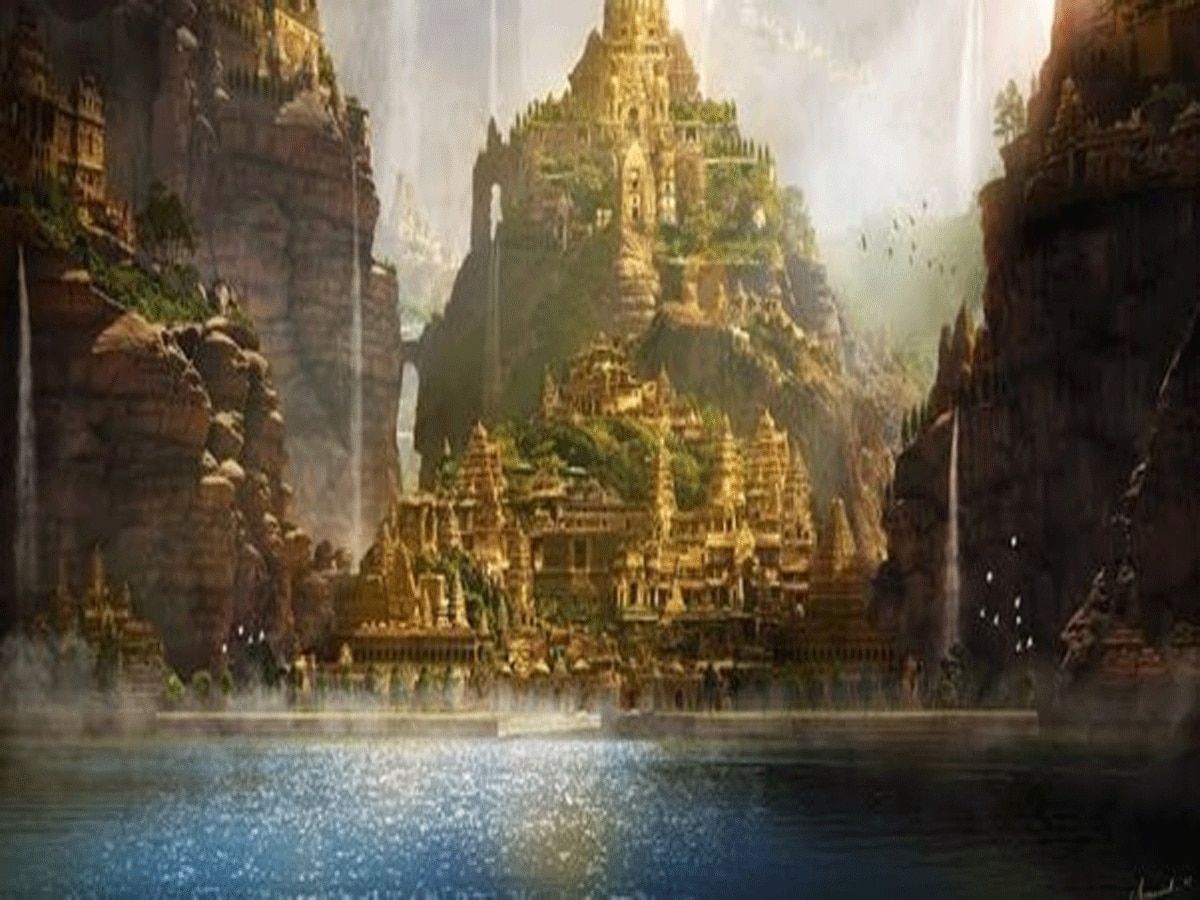

According to Hindu mythology, Ravana was born in a place called Bisrakh, located in present-day Uttar Pradesh, India. This ancient town holds great significance in the Ramayana narrative as the birthplace of the formidable demon king. It is believed to have been a land of mysticism and enchantment, where extraordinary events unfolded.

Bisrakh was said to possess magical qualities and was inhabited by beings with supernatural abilities. Legends speak of mystical energies flowing through the land, making it a potent source of spiritual power. The atmosphere was said to be charged with an otherworldly aura, lending an air of mystique to the birthplace of Ravana.

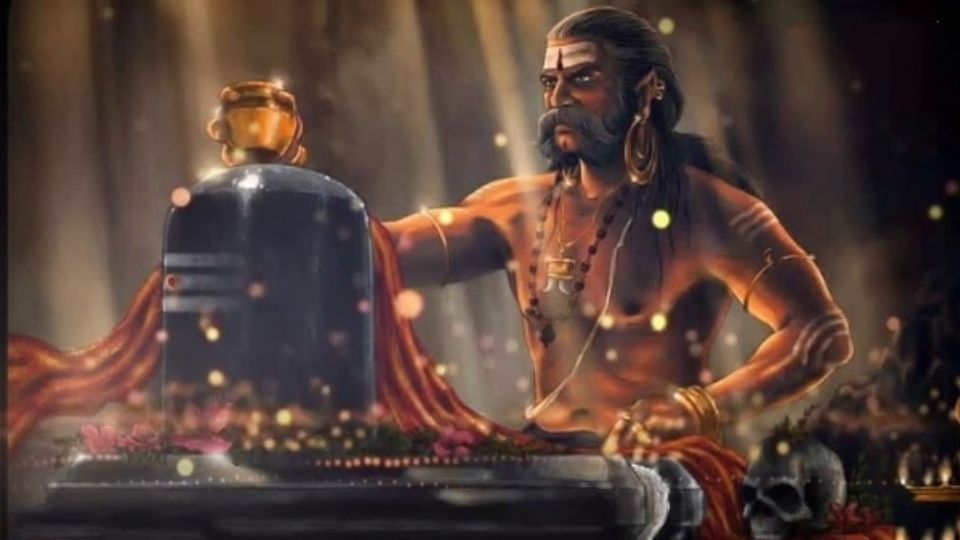
Numerous myths and tales surround the birthplace of Ravana, adding to its mysticism. One legend suggests that Bisrakh was blessed by Lord Shiva, who granted supernatural powers to its inhabitants. Another myth speaks of ancient sages and seers residing in the region, fostering an environment of spiritual enlightenment.

While Bisrakh holds immense cultural and historical significance, it is important to distinguish between myth and reality. Historically, Bisrakh was an important settlement during the Indus Valley Civilization and witnessed the rise and fall of various empires throughout its existence. Its archaeological remains provide glimpses into its rich past.

The association of Bisrakh with Ravana has left an indelible mark on the region's culture and traditions. Local festivals, rituals, and folklore celebrate the heritage of the mythical birthplace. The stories of Ravana's lineage and the town's connection to the epic Ramayana continue to captivate the imagination of residents and visitors alike.

The mystique surrounding Bisrakh and its association with Ravana invites us to reflect on the deeper symbolic meanings embedded in mythology. It serves as a reminder of the eternal struggle between good and evil, the complexity of human nature, and the power of redemption.


As with any historical and cultural site, the preservation of Bisrakh's heritage is of utmost importance. Efforts should be made to protect and document the archaeological remains, ensuring that future generations can continue to appreciate and study the rich legacy of the birthplace of Ravana.

The birthplace of Ravana, Bisrakh, holds an allure that transcends time and mythology. Its magical attributes, myths, and historical significance make it a captivating destination for those interested in the epic tales of the Ramayana. As we explore the mysteries and realities surrounding this mystical location, we gain a deeper appreciation for the cultural heritage and the enduring impact of mythology on our collective imagination.

Thursday, June 15, 2023

Ravana Series - Sri Lanka: Unraveling the Myth of Ravana's Lanka

The enchanting island nation of Sri Lanka has long been associated with tales of mythology and ancient folklore. One captivating myth that has lingered for centuries is the belief that Sri Lanka was the legendary kingdom of Ravana, the demon king of the epic Ramayana. In this blog, we delve into the myth of Sri Lanka being Ravana's Lanka and explore the historical and cultural perspectives that shed light on this intriguing belief.


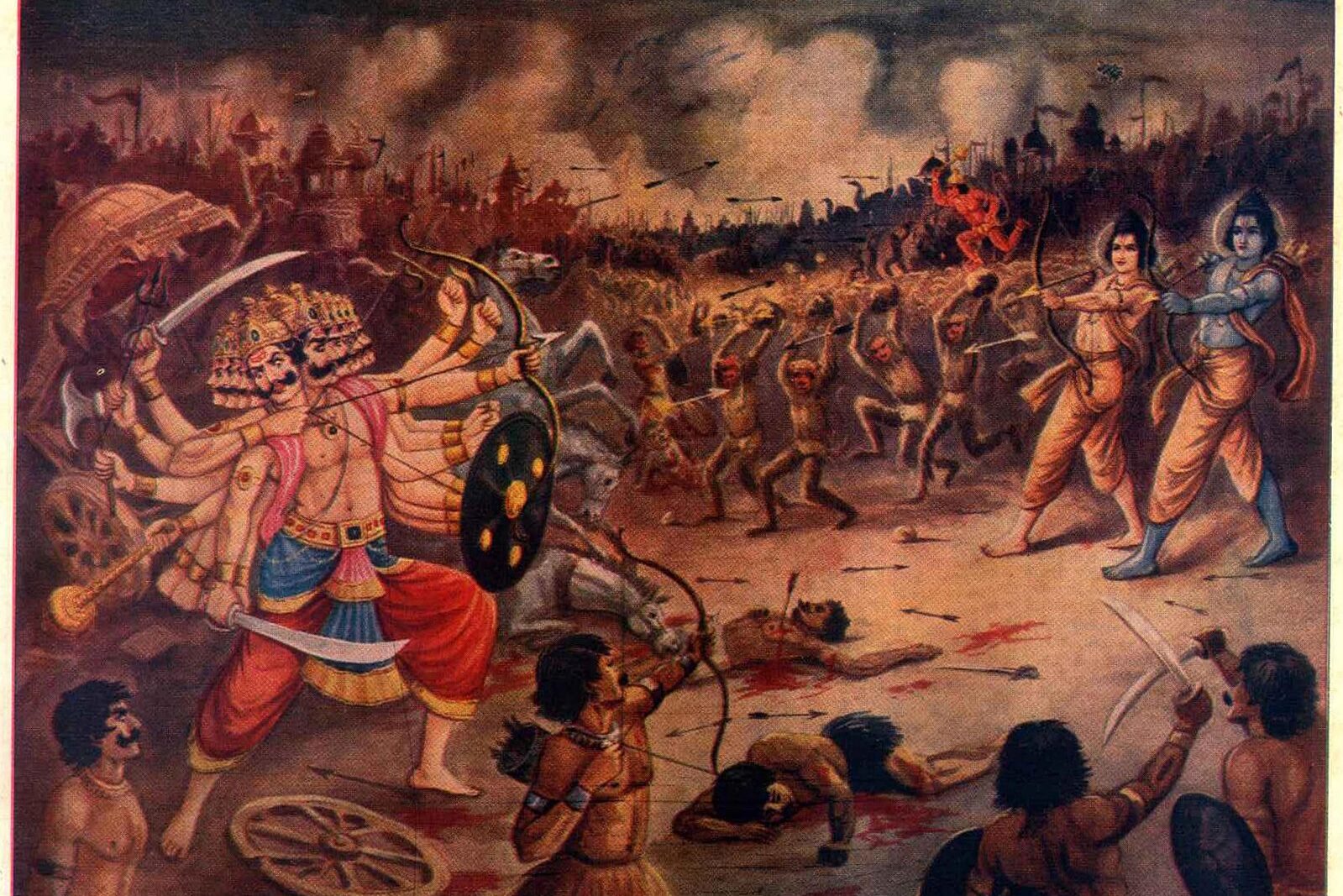
According to the Ramayana, Ravana abducted Sita, the wife of Lord Rama, and took her to his kingdom called Lanka. The epic narrates the heroic journey of Rama and his allies to rescue Sita from Ravana's clutches. Over time, the name "Lanka" became synonymous with Ravana's kingdom, and its connection with present-day Sri Lanka emerged.

While the Ramayana is a treasured mythological text, historians and archaeologists approach the story with a critical lens. Extensive research and analysis have not revealed concrete evidence linking Sri Lanka to Ravana's Lanka. The Ramayana, though revered, is primarily a work of mythology, blending historical events with allegorical and symbolic elements.

The Ramayana describes the journey undertaken by Lord Rama from the Indian subcontinent to Lanka. According to the epic, Rama and his army crossed a mythical bridge called "Rama Setu" or "Adam's Bridge" to reach Lanka. The distance mentioned in the Ramayana is often interpreted as being from southern India to present-day Sri Lanka.


The existence of a natural land bridge connecting India and Sri Lanka has long fascinated scholars and explorers. Known as Rama Setu or Adam's Bridge, this formation of sandbanks and shoals extends between the two countries. However, the connection between the bridge and the events described in the Ramayana remains a topic of debate.

Sri Lanka, officially known as the Democratic Socialist Republic of Sri Lanka, is an island nation situated in the Indian Ocean. Geographically, it is located southeast of the southern tip of the Indian subcontinent. Sri Lanka shares maritime boundaries with India to the northwest and the Maldives to the southwest.

While it is intriguing to explore the connections between mythology and historical geography, it is important to respect the distinction between myth and reality. The allure of Ravana's Lanka lies in its mythical and metaphorical significance rather than its geographical location. Sri Lanka should be celebrated for its own rich history, diverse culture, and natural beauty.


Sri Lanka, with its stunning landscapes, vibrant culture, and warm hospitality, has a heritage that extends far beyond the realm of mythology. The country's fascinating history, ancient ruins, and diverse traditions make it a captivating destination that stands on its own merits.

The myth of Sri Lanka as Ravana's Lanka adds an intriguing layer to the tapestry of folklore and legends that surround the island nation. While the connection between Sri Lanka and Ravana's Lanka is subject to interpretation, it is the historical, cultural, and natural wonders of Sri Lanka that truly make it a captivating destination. Let us appreciate and celebrate the unique identity of Sri Lanka, embracing its rich heritage and the remarkable stories that have shaped its past and present.

Thursday, June 8, 2023

Ravana Series - The Myth of Ravana's Lanka in Another Dimension: Exploring the Reality

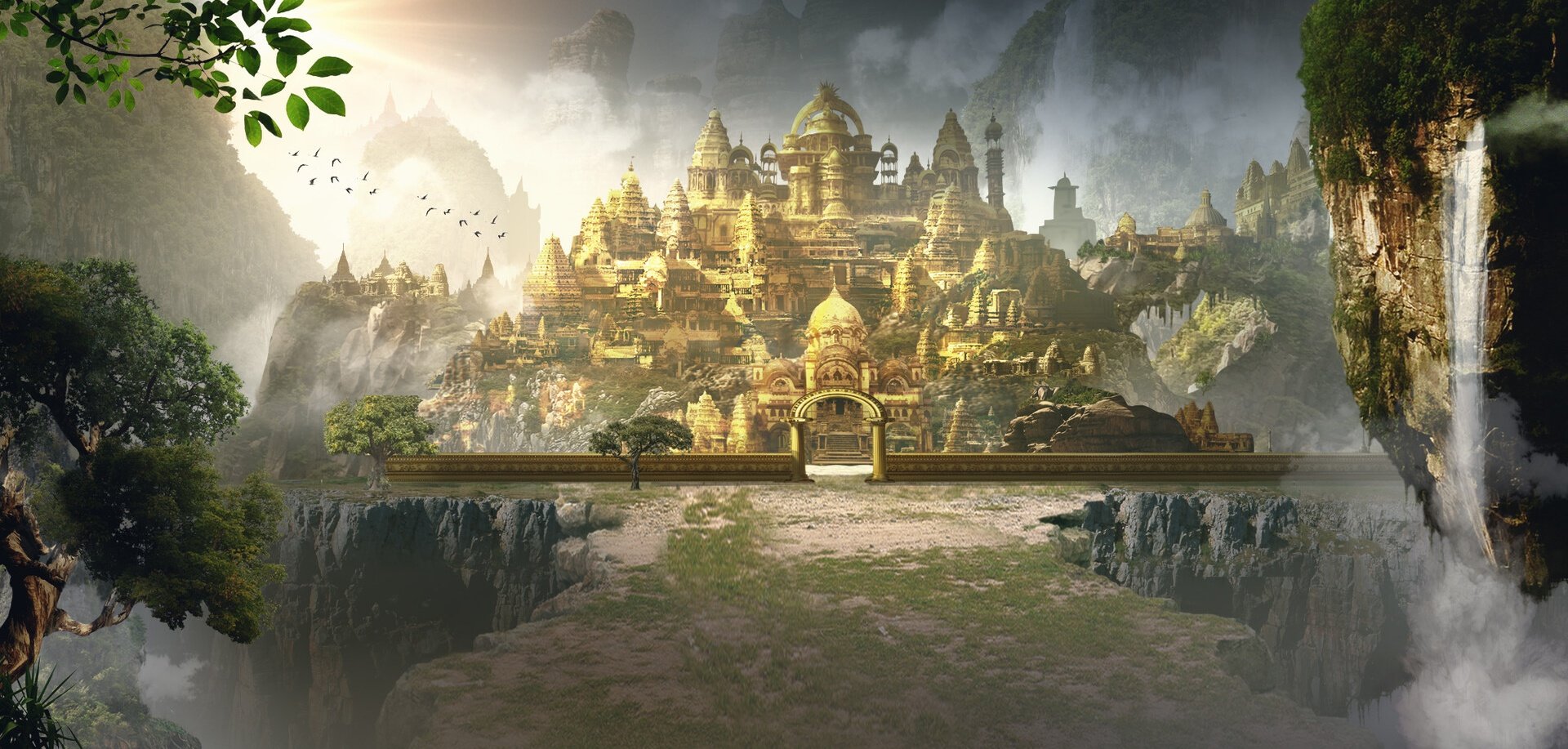
The epic Ramayana has captured the imagination of millions, recounting the legendary tale of Lord Rama's quest to rescue his wife Sita from the clutches of the demon king Ravana. Amidst the story's mystical elements, one intriguing concept stands out: the belief that Ravana's kingdom, Lanka, exists in another dimension. In this article, we delve into the myth surrounding Ravana's Lanka and explore its origins, interpretations, and the reality behind this enchanting notion.


According to certain interpretations, Ravana's Lanka was not merely a physical place but an otherworldly realm, existing in a dimension separate from our own. This concept has captivated the imagination of many, envisioning Lanka as a magical land with extraordinary qualities beyond human comprehension.

One perspective suggests that the idea of Lanka in another dimension serves as a metaphorical representation rather than a literal interpretation. It symbolises the spiritual and psychological battles fought within oneself, with Ravana representing the inner demons or negative aspects that one must conquer to attain spiritual enlightenment.


The concept of Lanka in another dimension holds deep religious and cultural symbolism. It emphasises the eternal struggle between good and evil, the triumph of righteousness over wickedness, and the notion that spiritual realms exist beyond the physical realm.

Different versions and interpretations of the Ramayana exist across various cultures and regions, resulting in diverse perspectives on Lanka's nature. Some adhere to the belief in an actual otherworldly dimension, while others view it as a metaphorical construct or symbolic representation.

It is important to understand the historical and cultural context of the Ramayana. The epic is a revered mythological text, embodying moral and ethical teachings. The concept of Lanka in another dimension may have been introduced to add an element of wonder, mystery, and transcendence to the narrative rather than as a factual representation.


While Lanka's existence in another dimension is an intriguing concept, it is not grounded in verifiable evidence or historical records. The Ramayana is a work of mythology, containing fantastical elements that should be approached with a metaphorical or symbolic understanding.

Regardless of the reality of Ravana's Lanka, the epic Ramayana has left an indelible mark on literature, art, and cultural traditions across generations. Its moral teachings, lessons of righteousness, and the eternal struggle between good and evil continue to inspire and guide individuals worldwide.

The myth surrounding Ravana's Lanka in another dimension adds an enchanting layer to the epic tale of the Ramayana. While it sparks our imagination and prompts contemplation, it should be regarded within the context of mythology and symbolism. Ultimately, the enduring legacy of the Ramayana lies in its timeless teachings and its ability to inspire individuals to embrace goodness and overcome the challenges within themselves.

Tuesday, June 6, 2023

The Curse of the Koh-i-Noor Diamond: Myth or Reality?

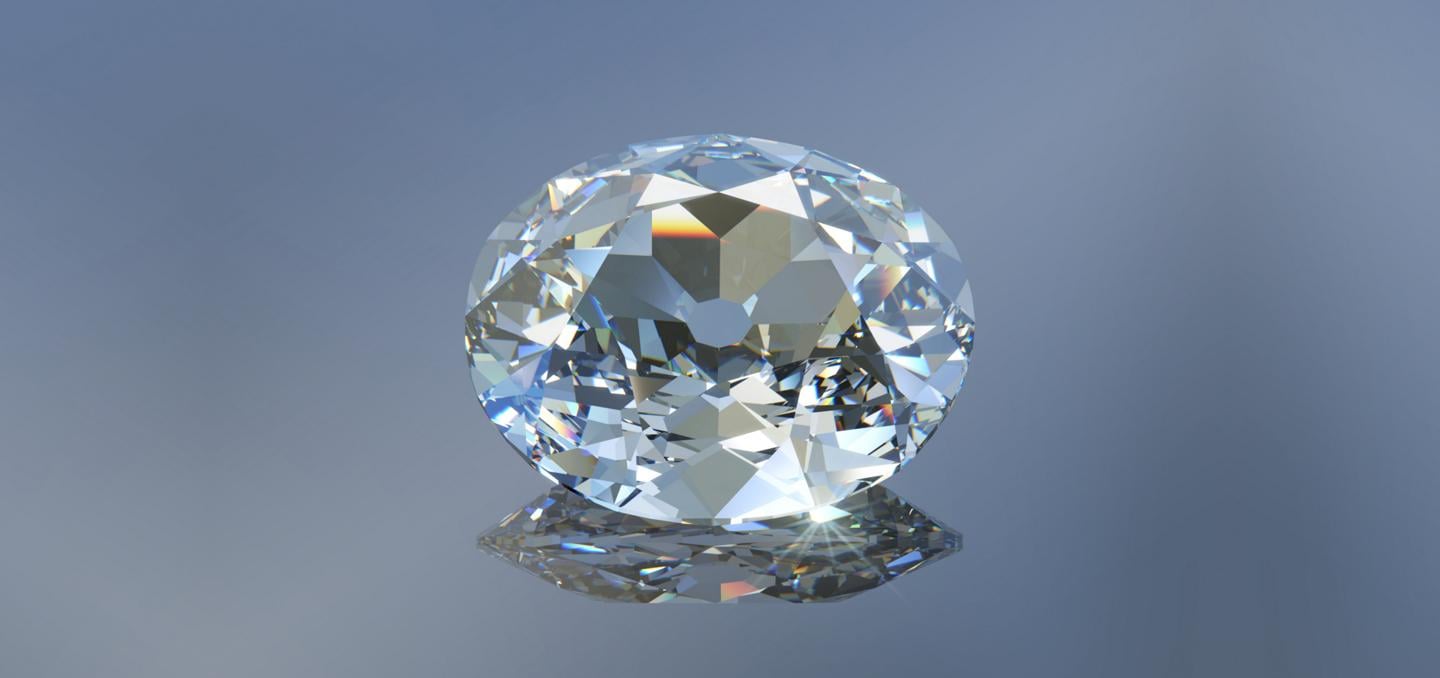
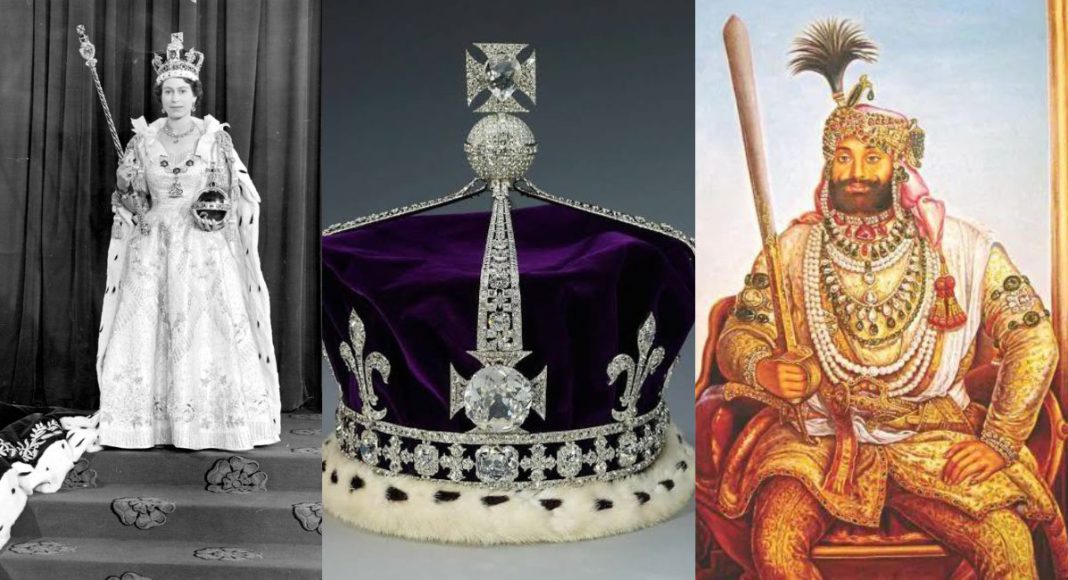
The world of gemstones is often surrounded by intriguing tales and legends, and the Koh-i-Noor diamond is no exception. Regarded as one of the most famous and coveted diamonds in history, the Koh-i-Noor has a storied past filled with tales of curses and misfortunes. In this article, we delve into the captivating legend of the curse associated with the Koh-i-Noor diamond and explore its origins, significance, and the historical events that have fuelled its mystique.


Legend has it that the Koh-i-Noor diamond carries a curse, specifically affecting its male owners. According to folklore, only women can possess and wear the diamond without experiencing dire consequences. However, throughout history, male owners are said to have faced misfortune, tragedy, or even death.

The earliest recorded mention of the Koh-i-Noor diamond comes from the writings of Babur, the founder of the Mughal Empire in India. From that point, the diamond passed through the hands of various rulers, including Shah Jahan, the builder of the Taj Mahal, and other prominent Mughal emperors.

The diamond's curse gained further notoriety when it fell into the hands of Nadir Shah of Persia in the 18th century. It is said that he faced military defeats and assassination attempts after acquiring the diamond. Similarly, Maharaja Ranjit Singh, the Sikh ruler who possessed the Koh-i-Noor, experienced a decline in his empire after its acquisition.


In 1849, following the Second Anglo-Sikh War, the Koh-i-Noor was seized by the British East India Company. It became part of the British Crown Jewels, and tales of the curse continued to grow. Some male members of the British royal family who possessed or wore the diamond allegedly faced marital issues, untimely deaths, or personal tragedies.

While the stories of the curse have captured the imagination of many, it is essential to approach them with skepticism. The belief in a curse is rooted in folklore rather than historical evidence. Many argue that misfortunes associated with the diamond can be attributed to the turbulent times and power struggles rather than supernatural forces.

Beyond the curse, the Koh-i-Noor diamond holds immense cultural and historical significance. It has become a symbol of power, conquest, and national pride. Its journey from India to Britain reflects the complex dynamics of colonialism and the shifting tides of history.


The curse of the Koh-i-Noor diamond continues to captivate the imagination, adding an air of mystery and allure to this remarkable gem. While the tales of misfortune associated with its male owners are widely circulated, it's important to remember that they are based on folklore and superstition. The Koh-i-Noor's true value lies not in curses, but in its remarkable history and its status as a cultural treasure that connects us to the past. Whether or not one believes in the curse, the Koh-i-Noor's allure remains undiminished, making it a fascinating gem that continues to inspire awe and fascination across generations.

Ravana Series- Sita's Relationship with Ravana: A Tale of Perseverance and Triumph

In certain regional versions and adaptations of the Ramayana, there are alternative narratives that suggest Ravana is Sita's father. The...