Showing posts with label India. Show all posts

Friday, July 28, 2023

Ravana Series- Sita's Relationship with Ravana: A Tale of Perseverance and Triumph

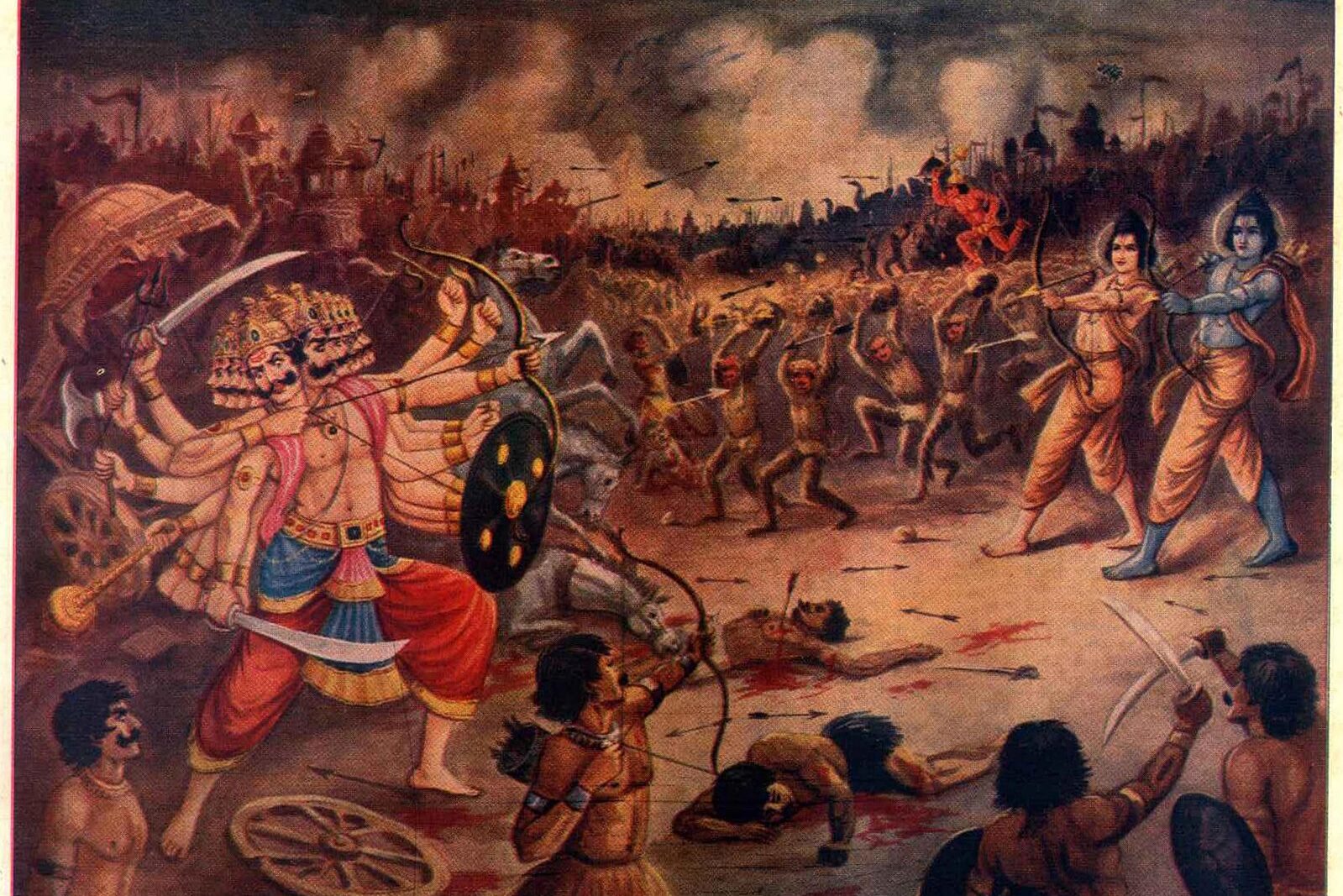
In certain regional versions and adaptations of the Ramayana, there are alternative narratives that suggest Ravana is Sita's father. These versions present a unique and thought-provoking twist to the traditional story, adding further layers of complexity to the characters and their relationships. However, it is essential to recognize that these interpretations are not part of the mainstream Ramayana as described in the Valmiki Ramayana or other widely accepted versions of the epic.

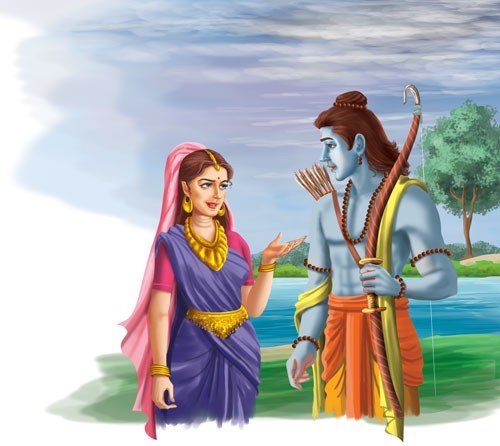
The concept of Ravana being Sita's father originates from certain folktales, particularly in some South Indian traditions. According to these interpretations, Ravana's sister, Surpanakha, was infatuated with Lord Rama and sought to marry him. Learning about Surpanakha's unrequited love, Ravana takes pity on his sister and proposes to find her a suitable husband. After a series of events, Ravana brings Surpanakha to Lord Vishnu (who is later incarnated as Lord Rama) and requests that He marry her. Lord Vishnu declines the proposal, stating that He is already destined to marry Sita, who is an aspect of the Goddess Lakshmi.

In this version, Ravana performs a Yajna (a ritual) to seek the blessing of a son who would be a worthy match for his sister Surpanakha. During the Yajna, a baby girl emerges from the sacrificial fire, and Ravana takes her as his own daughter, naming her Sita. As Sita grows up, she becomes the embodiment of the Goddess Lakshmi, and it is foretold that she will play a crucial role in Ravana's destiny.
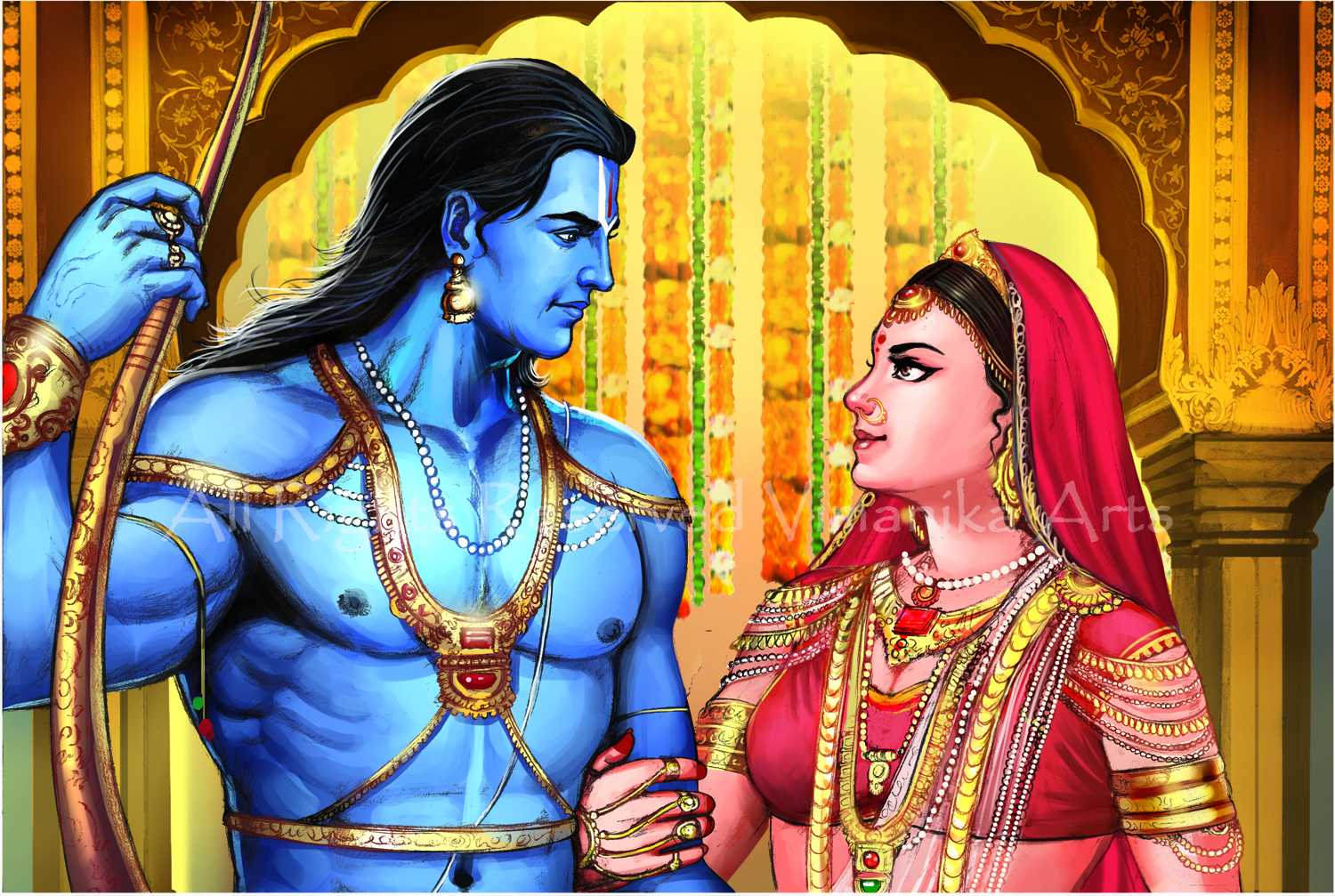
Despite this alternative narrative, it is crucial to reiterate that the mainstream Ramayana, including the Valmiki Ramayana and other well-known versions, consistently describes Sita as the daughter of King Janaka and Queen Sunayana of Mithila. The central theme of Sita's relationship with Rama, her exile, and the subsequent events leading to her rescue from Ravana's captivity remains consistent in these traditional tellings.

Alternative narratives in mythology and folklore often offer diverse perspectives and interpretations of well-known stories. They encourage us to view characters from different angles and appreciate the rich complexity of human emotions and relationships. However, while these alternative versions are intriguing, it is essential to differentiate them from the widely accepted and historically significant Ramayana, which holds a revered place in Hindu culture and literature.

Monday, July 24, 2023

Ravana Series - Women in the life of Ravana: Their Role and Mythological Significance

In Hindu mythology, Ravana, the formidable demon king of Lanka, is known for his power, intellect, and complex character. But behind his imposing presence, there were several wives who played significant roles in shaping his life and the trajectory of the epic Ramayana. In this blog, we talk about the women who were a part of Ravana's life, exploring their unique personalities, their relationships with him, and the impact they had on the mythological narrative. 

Mandodari: The Loyal and Virtuous Queen:

Mandodari, the primary wife of Ravana, is often portrayed as the epitome of loyalty, grace, and moral integrity. Despite her husband's flaws and his obsession with Sita, Mandodari remains steadfastly devoted, offering counsel and trying to steer Ravana toward righteousness. Her unwavering support and wise advice shed light on the complexity of Ravana's character and the internal conflicts he faced.


Kaikesi: The Ambitious and Influential Queen Mother:
Kaikesi, the mother of Ravana, is a figure of immense influence and ambition. Known for her beauty and supernatural powers, she played a pivotal role in shaping her son's destiny. Kaikesi's own desires for power and dominance often aligned with Ravana's ambitions, further fueling the events of the Ramayana. Her character adds depth and complexity to the narrative while highlighting the influence of maternal figures in mythology.


Shurpanakha: The Catalyst for Conflict:
Shurpanakha's role (Ravana's sister) in the story is significant. Infatuated with Rama, Shurpanakha's actions lead to a sequence of events that set the stage for the ultimate battle between Ravana and Rama. Shurpanakha's desires and her encounter with Rama and Lakshmana reveal the underlying tensions and rivalries that eventually escalate into a tale of epic proportions.


Other Wives and Consorts:
Apart from Mandodari, Ravana had several other wives and consorts who are often mentioned in various versions of the mythological tales. Dhanyamalini, Padmini, and Kalyani are among the wives who add depth to Ravana's character and highlight his complex relationships with women.

The wives of Ravana bring a multifaceted dimension to the mythological narrative of the Ramayana. Their characters represent loyalty, ambition, influence, and desire, all contributing to the intricacies of Ravana's life and choices. Exploring their stories provides insight into the larger themes of power, morality, and the consequences of actions. It reminds us that behind every legendary figure, there are often fascinating women who shape their destinies in both ordinary and extraordinary ways.

Friday, July 14, 2023

Did Sita curse Ayodhya?

In Hindu mythology, the epic tale of Ramayana captivates generations with its enchanting characters and moral lessons. Ayodhya, the birthplace of Lord Rama, holds immense significance in this narrative. However, there is a long-standing belief that Sita, the beloved wife of Lord Rama, cursed Ayodhya before departing from the kingdom. In this article, we delve into this intriguing topic and seek to separate fact from fiction.


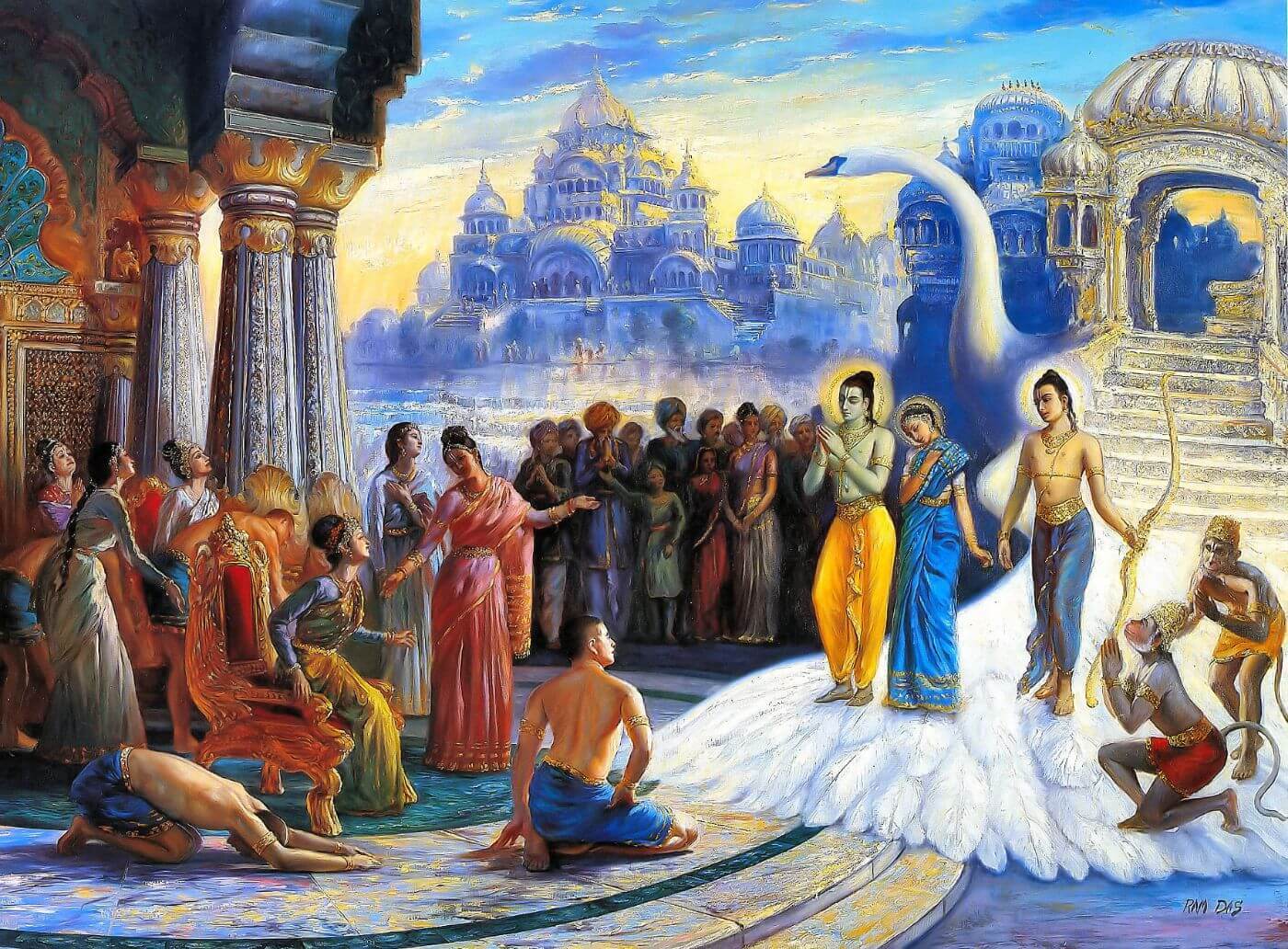
According to the Ramayana, after rescuing Sita from the clutches of the demon king Ravana, Lord Rama returns to Ayodhya to reclaim his rightful place on the throne. However, upon their return, Sita faces a series of trials and tribulations, as doubts about her chastity and purity are cast upon her by the people of Ayodhya. Heartbroken and feeling misunderstood, Sita chooses to leave Ayodhya and seek solace in the arms of Mother Earth.

It is widely believed that as Sita departs from Ayodhya, she curses the kingdom, declaring that it would forever remain devoid of peace and prosperity. This belief has been perpetuated through retellings of the Ramayana, folklore, and cultural narratives. However, it is important to examine the origins of this belief and explore alternative interpretations.

When we analyze the ancient texts of the Ramayana, we find no explicit mention of Sita cursing Ayodhya. The original Valmiki Ramayana considered the oldest and most authentic version, does not include this episode. The absence of scriptural evidence raises questions about the veracity of popular belief.


Sita is revered as the epitome of virtue, purity, and selflessness. Throughout the Ramayana, her actions demonstrate immense love, devotion, and resilience. It is unlikely that such a compassionate and forgiving character would curse an entire kingdom, especially considering her deep connection to Ayodhya as her birthplace and the kingdom of her beloved husband.

After Sita's departure, Ayodhya remains immersed in grief and sorrow. However, it is important to note that the Ramayana portrays Ayodhya's redemption through Lord Rama's reign. Under his rule, Ayodhya flourishes, experiencing an era of peace, prosperity, and righteousness. This contradicts the notion of a perpetual curse cast by Sita.

Rather than accepting the literal interpretation of a curse, scholars and pundits offer alternative symbolic explanations. Some suggest that Sita's departure from Ayodhya represents the temporary loss of divine grace, which is later restored through Lord Rama's presence and virtuous rule. Others interpret Sita's departure as a necessary step in the divine plan to fulfill her role as the eternal embodiment of Mother Earth.


While the belief that Sita cursed Ayodhya may persist in popular folklore, it lacks substantial evidence within the original texts of the Ramayana. Examining Sita's nature, Ayodhya's eventual prosperity, and the absence of scriptural support, we can challenge this myth. It is crucial to approach ancient narratives with a critical lens and seek a deeper understanding of their symbolic meanings. The story of Sita and Ayodhya continues to inspire, teaching us valuable lessons of love, devotion, and the triumph of righteousness over adversity.

Friday, June 30, 2023

Ravana Series - The Curse of Surpanakha and the Tale of Kalkeya's General: Unveiling Ravana's Apocalyptic Fate

The epic saga of Ramayana is replete with fascinating characters and intertwining narratives that shape its intricate storyline. While the curse of Surpanakha, Ravana's sister, played a significant role in his downfall, another lesser-known love story adds depth to the narrative. In this article, we explore the intriguing story of Surpanakha's curse and the poignant tale of Kalkeya's General, shedding light on how these events contributed to the apocalyptic fate of Ravana.


Surpanakha, the beautiful sister of Ravana, became infatuated with Lord Rama during his exile in the forest of Panchavati. Consumed by her desire, she approached Rama, hoping to make him her husband. However, Rama, steadfast in his devotion to his wife Sita, politely rejected Surpanakha's advances, causing her immense humiliation and anguish.

Enraged and seeking retribution, Surpanakha sought solace in her brother Ravana, narrating the incident and demanding justice. Her wounded pride and seething rage fuelled Ravana's desire for vengeance against Lord Rama, ultimately leading to the abduction of Sita and the events that marked Ravana's downfall.

In the kingdom of Kalkeya, renowned for its martial prowess, there lived a valiant and honourable general. Despite his military achievements, this general suffered from an incurable ailment, rendering him weak and bedridden. Distraught and yearning for a cure, the general's wife, known for her unwavering love and devotion, embarked on a quest to find a remedy that could restore her husband's health.

During her journey, she encountered Ravana, who was impressed by her beauty and unwavering commitment to her husband. Ravana, known for his ability to heal through his vast knowledge of ancient scriptures and herbal medicine, offered to cure the general in exchange for the woman's love and companionship.

The general's wife, loyal and dedicated to her husband, rejected Ravana's proposition, choosing to prioritise her marital vows and fidelity. Touched by her unwavering loyalty, Ravana, though disappointed, granted her a boon, promising that her husband would be cured once he recovered from his ailment.

Ravana's encounter with the general's wife influenced him profoundly, making him realise the true value of love, loyalty, and commitment. This encounter served as a catalyst for his eventual downfall, as it emphasised the stark contrast between his own desires and the virtues embodied by Lord Rama.

The curse of Surpanakha and the unrequited love of the general's wife were integral in shaping the catastrophic events that led to Ravana's apocalyptic fate. Surpanakha's curse, foretelling Ravana's doom and the destruction of his kingdom, hung like a shadow over his actions, pushing him towards a path of conflict and confrontation with Lord Rama.

Moreover, the encounter with the loyal and virtuous general's wife stirred Ravana's internal conflict, highlighting the stark contrast between his own immoral desires and the noble virtues upheld by Lord Rama. This internal turmoil ultimately led to Ravana's downfall and the destruction of his kingdom.

The curse of Surpanakha and the poignant tale of the general's wife added layers of complexity to the Ramayana narrative. Surpanakha's curse, born out of her rejection and desire for revenge, set in motion a chain of events that caused the downfall of Ravana, whipping off his whole clan.

Monday, June 26, 2023

Vibhishana Series: Myths and Realities of His Fate After the Ramayana War

The epic Ramayana is replete with extraordinary tales, and one intriguing story surrounds Vibhishana, the virtuous brother of Ravana. After the war between Lord Rama and Ravana, Vibhishana was tasked with the challenging responsibility of removing demons from the human realm. According to a captivating narrative, he achieved this by transporting the entire kingdom of Lanka into another dimension. In this article, we delve into the myth and symbolism behind Vibhishana's remarkable feat, exploring the significance and interpretations of this mystical event.

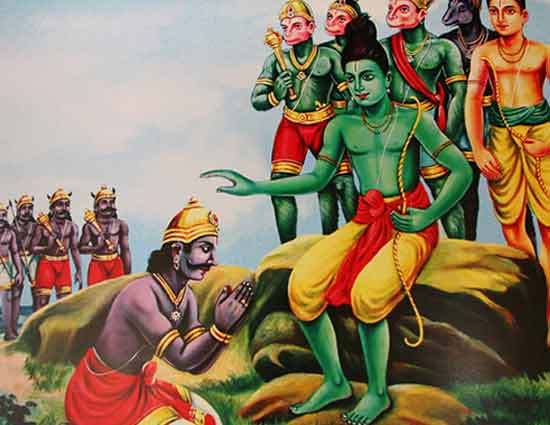
As a result of his unwavering loyalty to righteousness and his allegiance to Lord Rama, Vibhishana was entrusted with the important task of separating the demons from the human population. The objective was to restore peace and harmony among humans, free from the malevolent influence of the demonic forces that had plagued them for years.

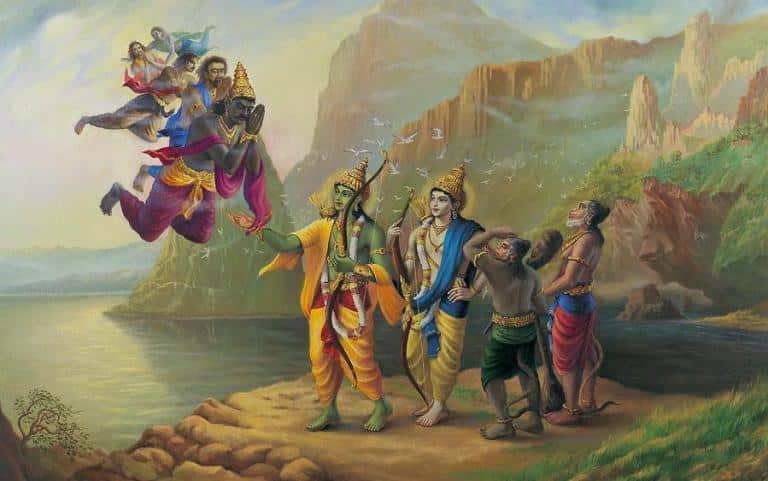
In a remarkable display of his mystical prowess, Vibhishana purportedly used his divine knowledge to transport the entire kingdom of Lanka to another dimension. By doing so, he effectively removed the demons and their malevolent presence from the human realm. This act is often seen as a transformative and redemptive gesture, symbolising the removal of evil and the restoration of harmony.


The story of Lanka being taken to another dimension by Vibhishana holds profound symbolic meaning. It represents the separation of darkness and light, the triumph of good over evil, and the transcendence of negative influences. This act serves as a metaphorical representation of the need to remove negativity from our lives and create a space for positivity and harmony to flourish.

Beyond the literal interpretation, some scholars and spiritual enthusiasts perceive Vibhishana's act as an allegory for personal transformation and the battle between our inner demons and higher selves. It encourages individuals to introspect, identify negative influences within themselves, and embark on a journey towards self-improvement and spiritual growth.

The story of Lanka's journey to another dimension has resonated deeply within various cultural traditions and artistic expressions. It is often depicted in paintings, sculptures, and performances, symbolising the triumph of good and the power of righteous actions. The tale serves as a reminder of the importance of making choices that align with virtue and the potential for personal and societal transformation.


The myth surrounding Vibhishana's miraculous act of transporting Lanka to another dimension carries profound symbolism and allegorical significance. It represents the separation of negative influences and the restoration of harmony. This captivating tale serves as a reminder of the transformative power of righteousness and the potential for personal and collective growth. Whether viewed as a literal event or a metaphorical journey, Vibhishana's extraordinary feat remains an enduring testament to the triumph of good over evil in the epic Ramayana.

Thursday, June 8, 2023

Ravana Series - The Myth of Ravana's Lanka in Another Dimension: Exploring the Reality

The epic Ramayana has captured the imagination of millions, recounting the legendary tale of Lord Rama's quest to rescue his wife Sita from the clutches of the demon king Ravana. Amidst the story's mystical elements, one intriguing concept stands out: the belief that Ravana's kingdom, Lanka, exists in another dimension. In this article, we delve into the myth surrounding Ravana's Lanka and explore its origins, interpretations, and the reality behind this enchanting notion.


According to certain interpretations, Ravana's Lanka was not merely a physical place but an otherworldly realm, existing in a dimension separate from our own. This concept has captivated the imagination of many, envisioning Lanka as a magical land with extraordinary qualities beyond human comprehension.

One perspective suggests that the idea of Lanka in another dimension serves as a metaphorical representation rather than a literal interpretation. It symbolises the spiritual and psychological battles fought within oneself, with Ravana representing the inner demons or negative aspects that one must conquer to attain spiritual enlightenment.


The concept of Lanka in another dimension holds deep religious and cultural symbolism. It emphasises the eternal struggle between good and evil, the triumph of righteousness over wickedness, and the notion that spiritual realms exist beyond the physical realm.

Different versions and interpretations of the Ramayana exist across various cultures and regions, resulting in diverse perspectives on Lanka's nature. Some adhere to the belief in an actual otherworldly dimension, while others view it as a metaphorical construct or symbolic representation.

It is important to understand the historical and cultural context of the Ramayana. The epic is a revered mythological text, embodying moral and ethical teachings. The concept of Lanka in another dimension may have been introduced to add an element of wonder, mystery, and transcendence to the narrative rather than as a factual representation.


While Lanka's existence in another dimension is an intriguing concept, it is not grounded in verifiable evidence or historical records. The Ramayana is a work of mythology, containing fantastical elements that should be approached with a metaphorical or symbolic understanding.

Regardless of the reality of Ravana's Lanka, the epic Ramayana has left an indelible mark on literature, art, and cultural traditions across generations. Its moral teachings, lessons of righteousness, and the eternal struggle between good and evil continue to inspire and guide individuals worldwide.

The myth surrounding Ravana's Lanka in another dimension adds an enchanting layer to the epic tale of the Ramayana. While it sparks our imagination and prompts contemplation, it should be regarded within the context of mythology and symbolism. Ultimately, the enduring legacy of the Ramayana lies in its timeless teachings and its ability to inspire individuals to embrace goodness and overcome the challenges within themselves.

Tuesday, June 6, 2023

The Curse of the Koh-i-Noor Diamond: Myth or Reality?

The world of gemstones is often surrounded by intriguing tales and legends, and the Koh-i-Noor diamond is no exception. Regarded as one of the most famous and coveted diamonds in history, the Koh-i-Noor has a storied past filled with tales of curses and misfortunes. In this article, we delve into the captivating legend of the curse associated with the Koh-i-Noor diamond and explore its origins, significance, and the historical events that have fuelled its mystique.


Legend has it that the Koh-i-Noor diamond carries a curse, specifically affecting its male owners. According to folklore, only women can possess and wear the diamond without experiencing dire consequences. However, throughout history, male owners are said to have faced misfortune, tragedy, or even death.

The earliest recorded mention of the Koh-i-Noor diamond comes from the writings of Babur, the founder of the Mughal Empire in India. From that point, the diamond passed through the hands of various rulers, including Shah Jahan, the builder of the Taj Mahal, and other prominent Mughal emperors.

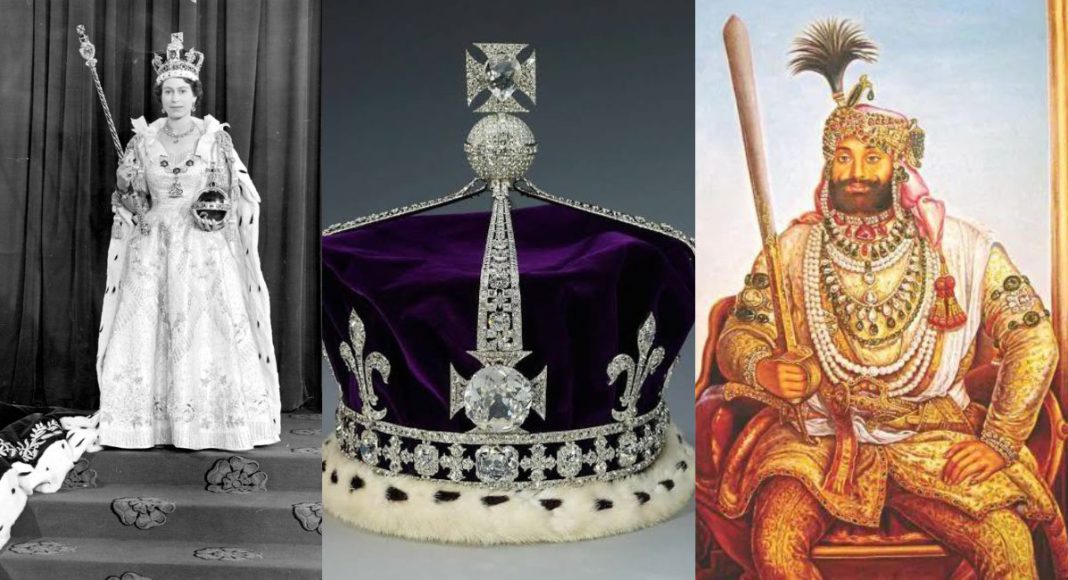
The diamond's curse gained further notoriety when it fell into the hands of Nadir Shah of Persia in the 18th century. It is said that he faced military defeats and assassination attempts after acquiring the diamond. Similarly, Maharaja Ranjit Singh, the Sikh ruler who possessed the Koh-i-Noor, experienced a decline in his empire after its acquisition.


In 1849, following the Second Anglo-Sikh War, the Koh-i-Noor was seized by the British East India Company. It became part of the British Crown Jewels, and tales of the curse continued to grow. Some male members of the British royal family who possessed or wore the diamond allegedly faced marital issues, untimely deaths, or personal tragedies.

While the stories of the curse have captured the imagination of many, it is essential to approach them with skepticism. The belief in a curse is rooted in folklore rather than historical evidence. Many argue that misfortunes associated with the diamond can be attributed to the turbulent times and power struggles rather than supernatural forces.

Beyond the curse, the Koh-i-Noor diamond holds immense cultural and historical significance. It has become a symbol of power, conquest, and national pride. Its journey from India to Britain reflects the complex dynamics of colonialism and the shifting tides of history.


The curse of the Koh-i-Noor diamond continues to captivate the imagination, adding an air of mystery and allure to this remarkable gem. While the tales of misfortune associated with its male owners are widely circulated, it's important to remember that they are based on folklore and superstition. The Koh-i-Noor's true value lies not in curses, but in its remarkable history and its status as a cultural treasure that connects us to the past. Whether or not one believes in the curse, the Koh-i-Noor's allure remains undiminished, making it a fascinating gem that continues to inspire awe and fascination across generations.

Ravana Series- Sita's Relationship with Ravana: A Tale of Perseverance and Triumph

In certain regional versions and adaptations of the Ramayana, there are alternative narratives that suggest Ravana is Sita's father. The...